
Technology

Bio-Synthetic Carbons:
The Next Generation of Engineered Carbon

A proprietary platform converting renewable furan chemicals into precision-engineered graphite and hard carbon for battery anodes — clean, consistent, and domestically sourced.

Three Generations

How Bio-Synthetic Compares

We are the only approach that combines the renewability of biomass with precision molecular engineering — solving both the supply chain crisis and the performance limitations of earlier generations.

Gen 1.

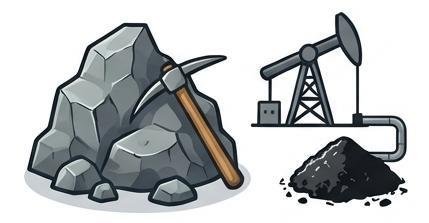
Current Process: Mined/Synthetic

Sourced from mined natural graphite or synthesized from petroleum 
industry by-products: 
❖ Dirty, insecure supply chain and resource intensive

Gen 2.

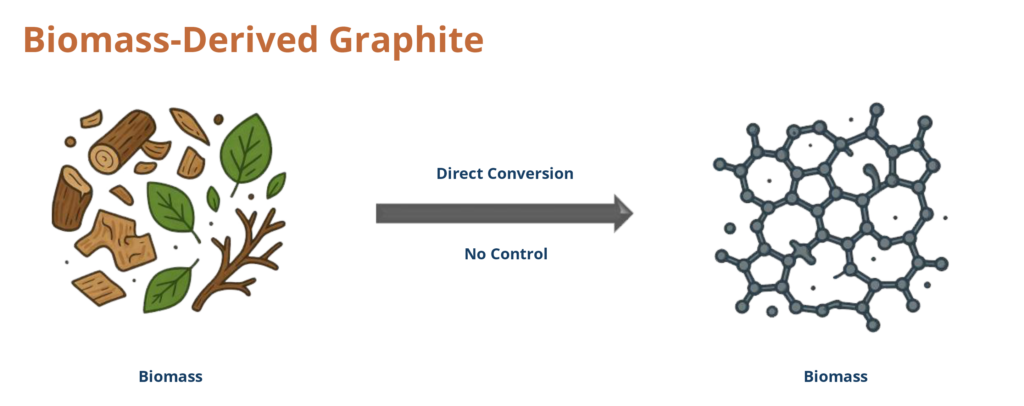
Direct Carbonization of Biomass

Made by direct carbonization and
graphitization of biomass precursors:
❖ High impurities, structural
inconsistencies, no control over
finished product

Gen 3.

Our Bio-Synthetic Approach

Engineered using controlled
polymerization of furan chemicals
extracted from biomass
❖ Pure, consistent engineered
performance

Our Process

Our Bio-Synthetic Graphite / Hard Carbon Process

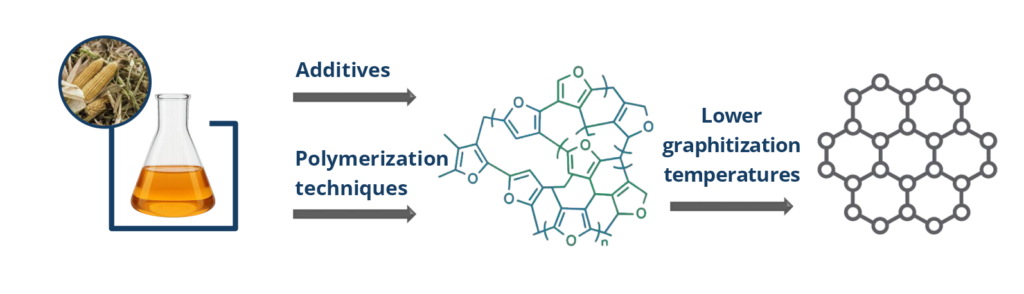
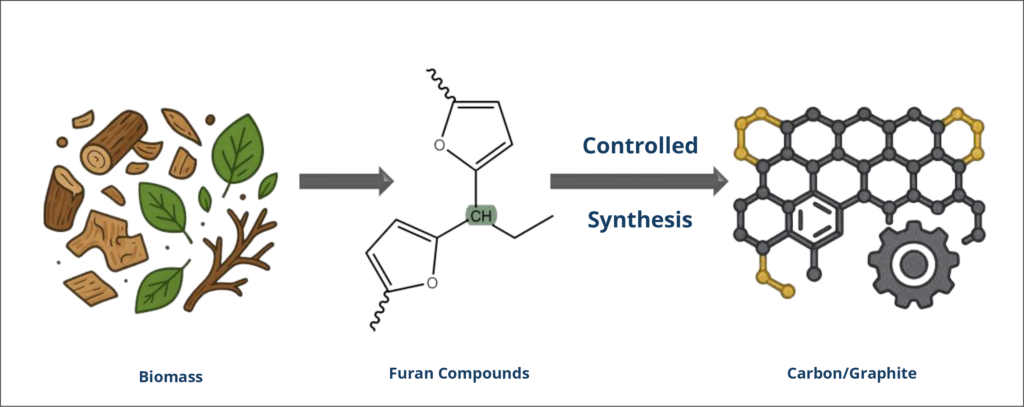
We convert furan chemicals (furfural and furfuryl alcohol) extracted from hemicellulose residues of agricultural wastes — like sugarcane bagasse and corn cobs — into high-performance, graphitizable carbon precursors. Subsequent carbonization and graphitization steps are clean processes with no harmful emissions and lower processing temperatures.

Stage 1.

Renewable Precursors

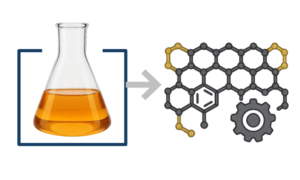
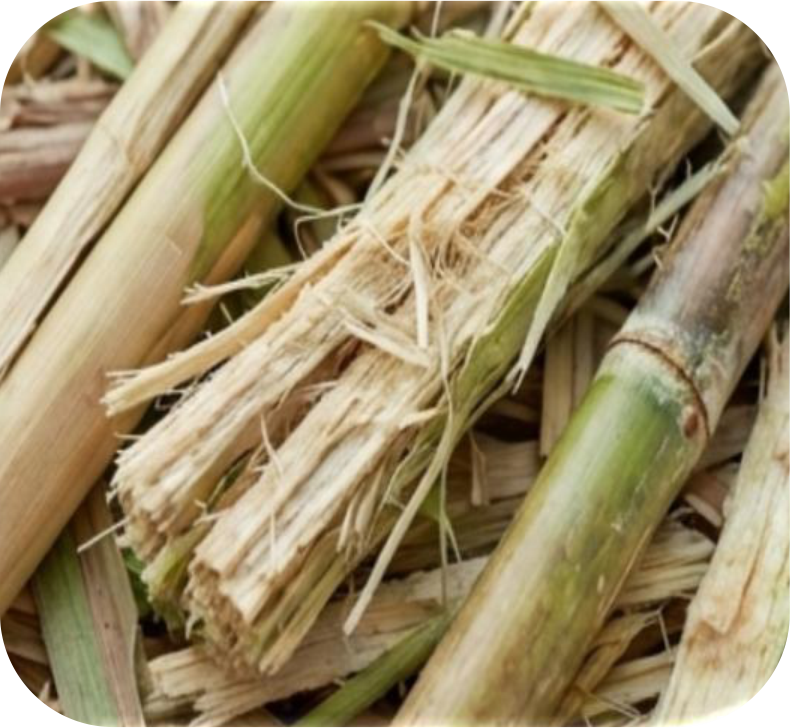
We begin with high-purity, biomass-derived liquid furan compounds (furfural and furfuryl alcohol) derived from agricultural residues such as corn cobs and bagasse.

Stage 2.

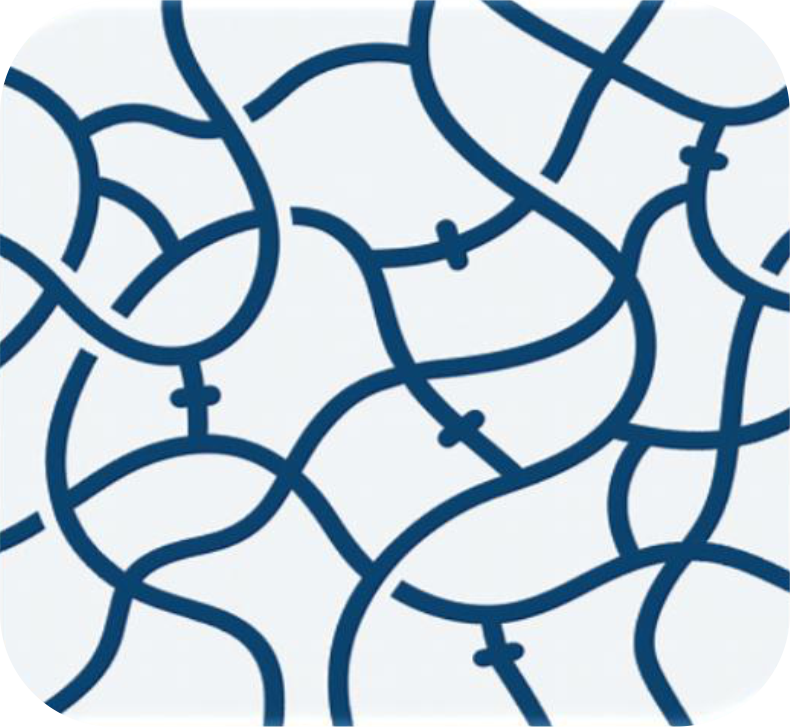
Polymer Architecture

CORE INNOVATION:
Controlled polymerization for dense, high-yield polymers with tailored cross-linking, uniquely suited for graphite or hard carbon production.

Stage 3.


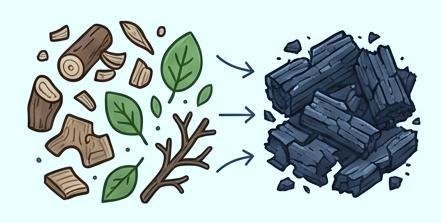
Carbonization

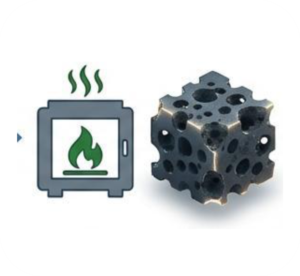
Controlled thermal decomposition forms hard carbon material with key structural characteristics suitable for NIB anodes or further graphitization.

Stage 4.


Graphitization

High-temperature treatment converts precursors into engineered graphite. Our low-temperature graphitization process results in significant savings.

Core Innovation

The Liquid Carbon Precursor: A Platform for Engineered Battery Materials

Key to the innovation is the liquid carbon precursor

A versatile process converting liquid furfural and derivatives into tailored polymer precursors.

Control

Control – Liquid phase allows for unprecedented molecular-level control during synthesis

Tailoring

– We engineer specific cross-linking properties for energy storage applications

Versatility

– Platform technology for synthesis of different composite compositions

Our core innovation is a versatile process that converts liquid furfural and furfural derivatives (from biomass) into polymer precursors for the carbonization and graphitization process. This liquid-phase approach gives us unprecedented molecular-level control, allowing us to engineer a wide range of tailored carbon structures and composites, each optimized for a specific energy storage application.

Competitive Advantage

Why Our Method Is Better

Bio-Synthetic vs. Gen 1

Gen 1 processes start with fossil-derived feedstocks — mined graphite or petroleum pitch — resulting in a dirty, import-dependent supply chain with high environmental impact. Our bio-synthetic process starts with clean furan liquid compounds extracted from agricultural waste, bypassing fossil inputs entirely.

Through controlled polymerization, we produce an optimized final material with precisely controlled structure, purity, and performance — something Gen 1 processes cannot achieve.

Engineered​

Performance derived from control of the molecular synthesis

Clean​

A low-emission process designed for purity – with a low environmental footprint
Renewable

Sourced from sustainable agricultural waste, not fossil fuels

Supply-Chain Secured

A resilient, cost-competitive process - free of the constraints of the current supply-chain
Bio-Synthetic vs. Gen 2

Gen 3: Bio-Synthetic Graphite

Our bio-synthetic process starts with inherently clean furan liquid compounds, followed by a controlled polymerization process, yielding an optimized final material with controlled structure, purity, and performance.

Gen 2 materials start with raw biomass. This direct conversion means impurities and structural inconsistencies from the source material are carried over into the final product.

Gen 2: Biomass-Derived Graphite

Environmental Performance

Advantages of Our Bio-Synthetic Manufacturing Process

0 %

Lower CO2 Footprint
Compared to traditional methods, it significantly reduces greenhouse gas emissions.

0 %

Energy Reduction for Processing
Through optimized processes and engineered polymerization.

30 %

Harmful Emissions
Completely eliminates sulfur oxides, nitrogen oxides, and particulate matter.

0 %

Renewable Feedstock
Uses agricultural residues with simple processing to eliminate the dependence on the existing supply chain concentration.

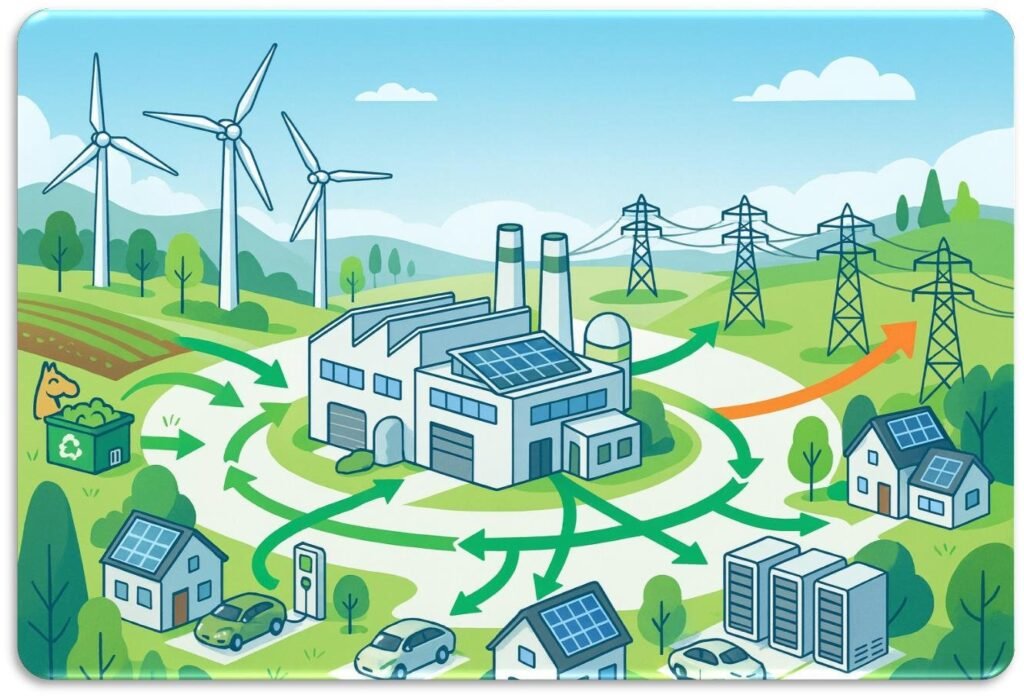
Circular Economy
Valorizes agricultural waste, creating new revenue streams and a truly renewable materials cycle.